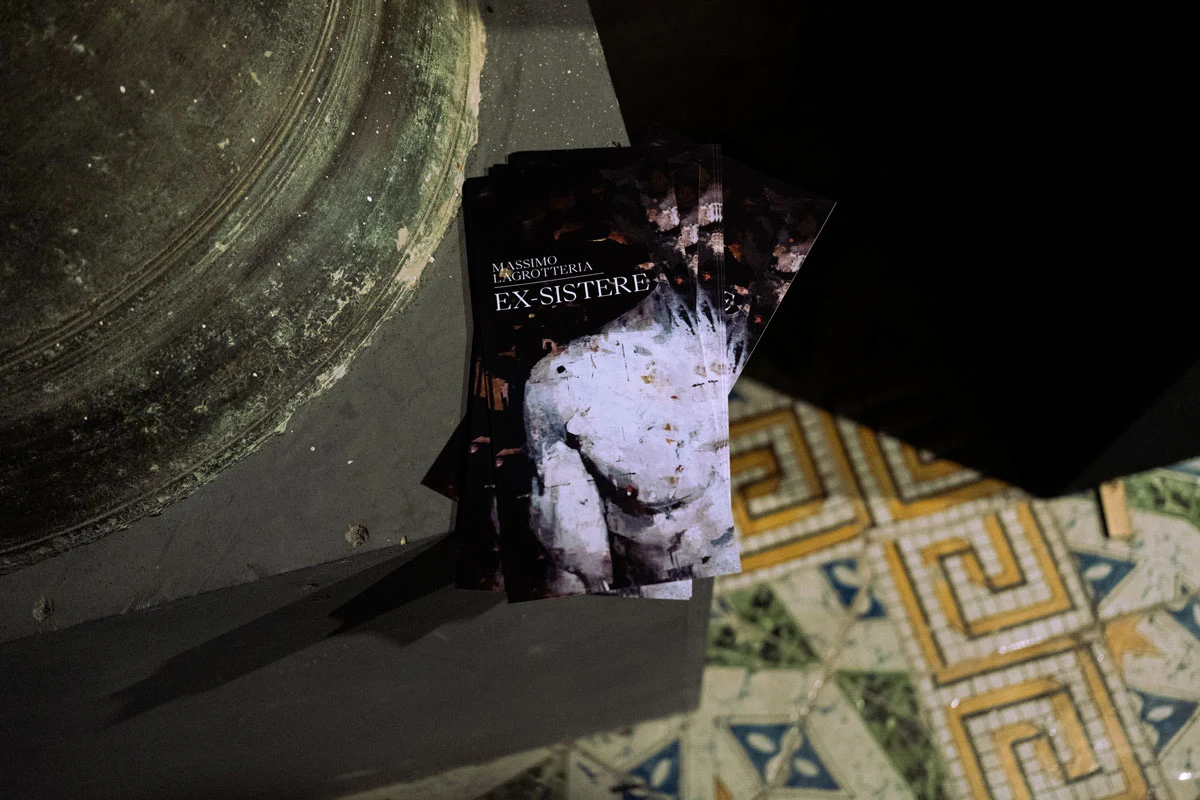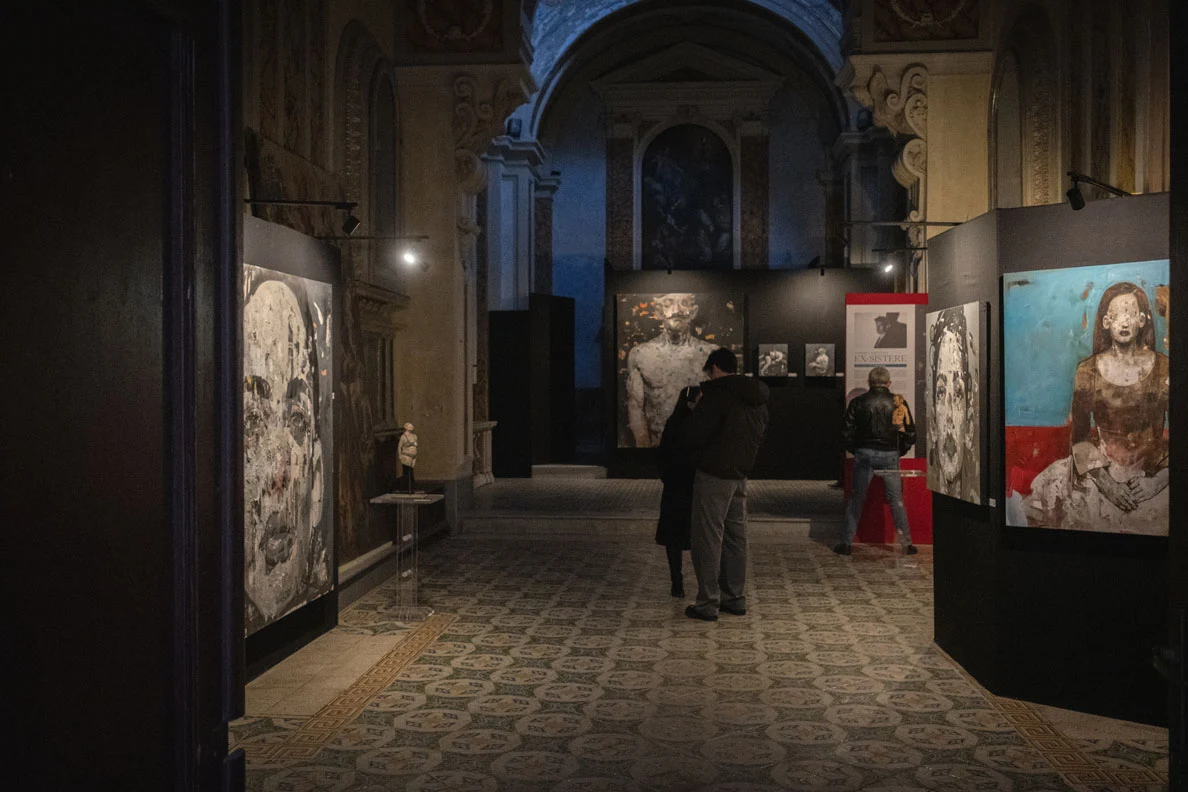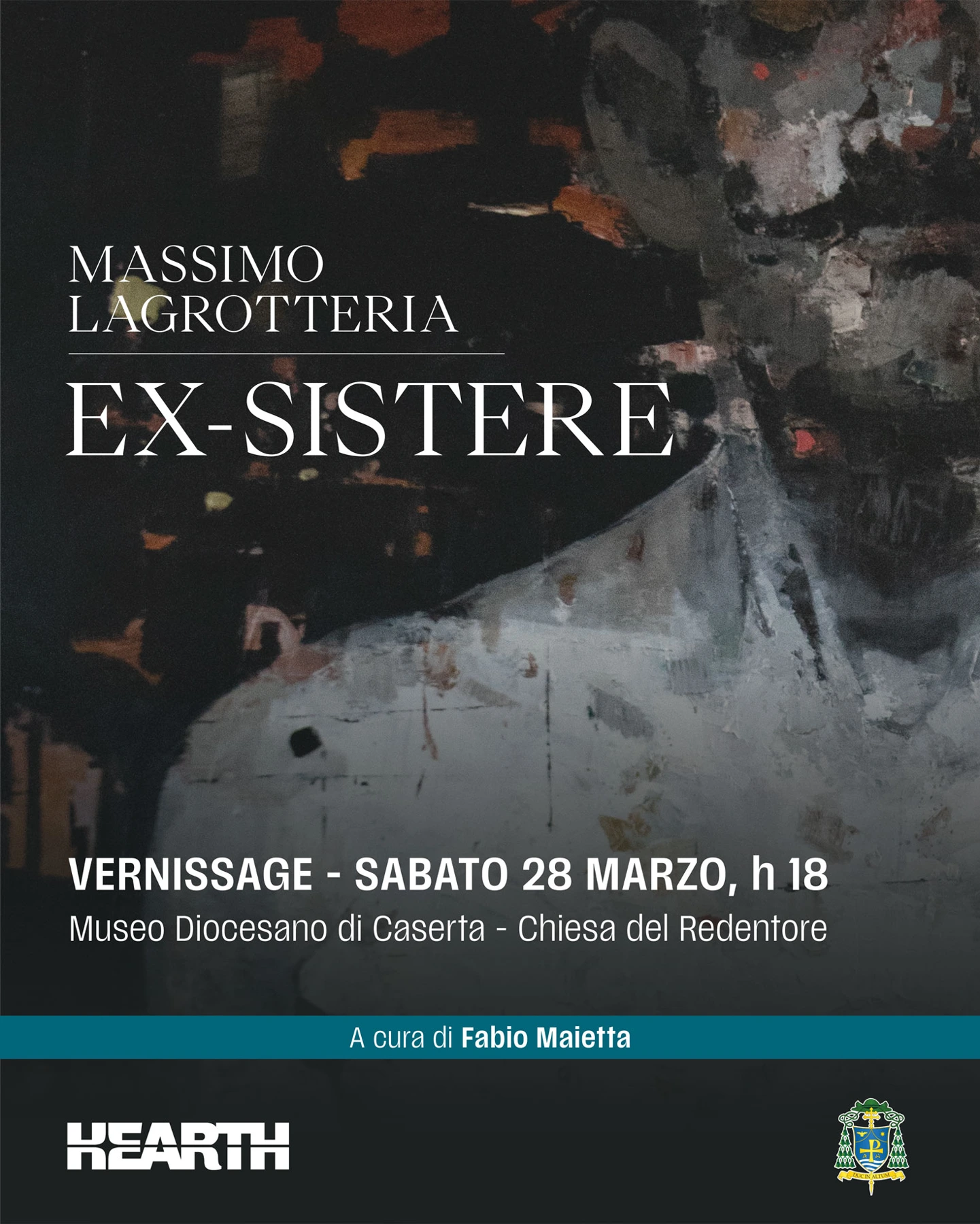
Exsistere literally means ‘to come forth’, ‘to emerge’, ‘to manifest oneself’. It is a Latin expression that describes not a condition but a movement: the fragile and necessary transition through which something takes shape, exposes itself and becomes manifest. It is not enough to exist: one must find the strength to surface, to break through, to allow what is hidden to become visible.
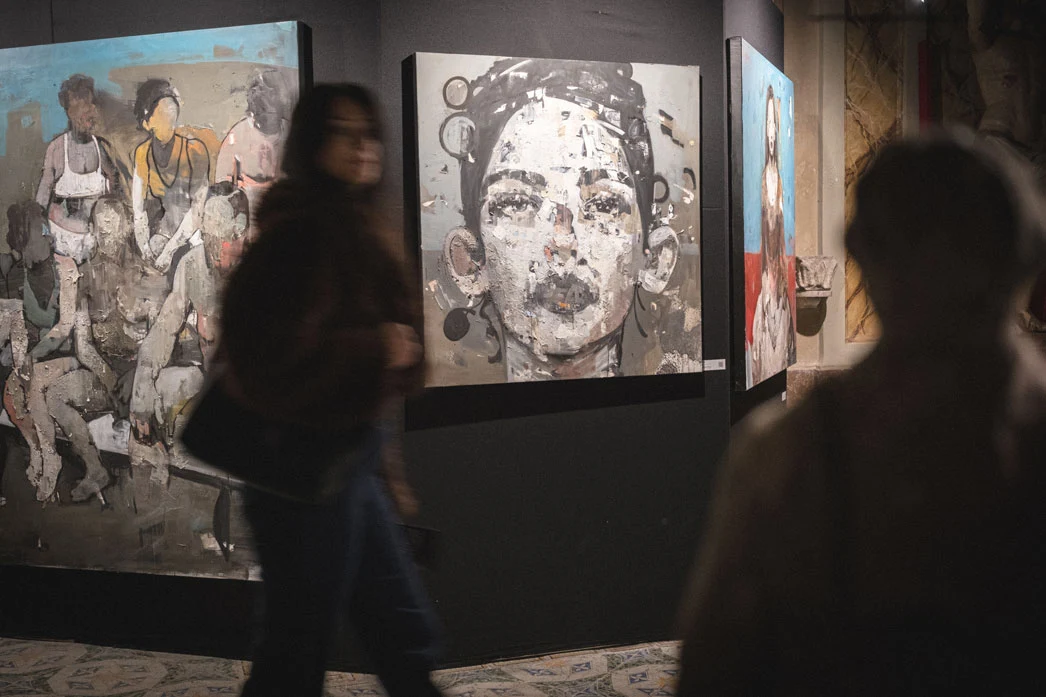
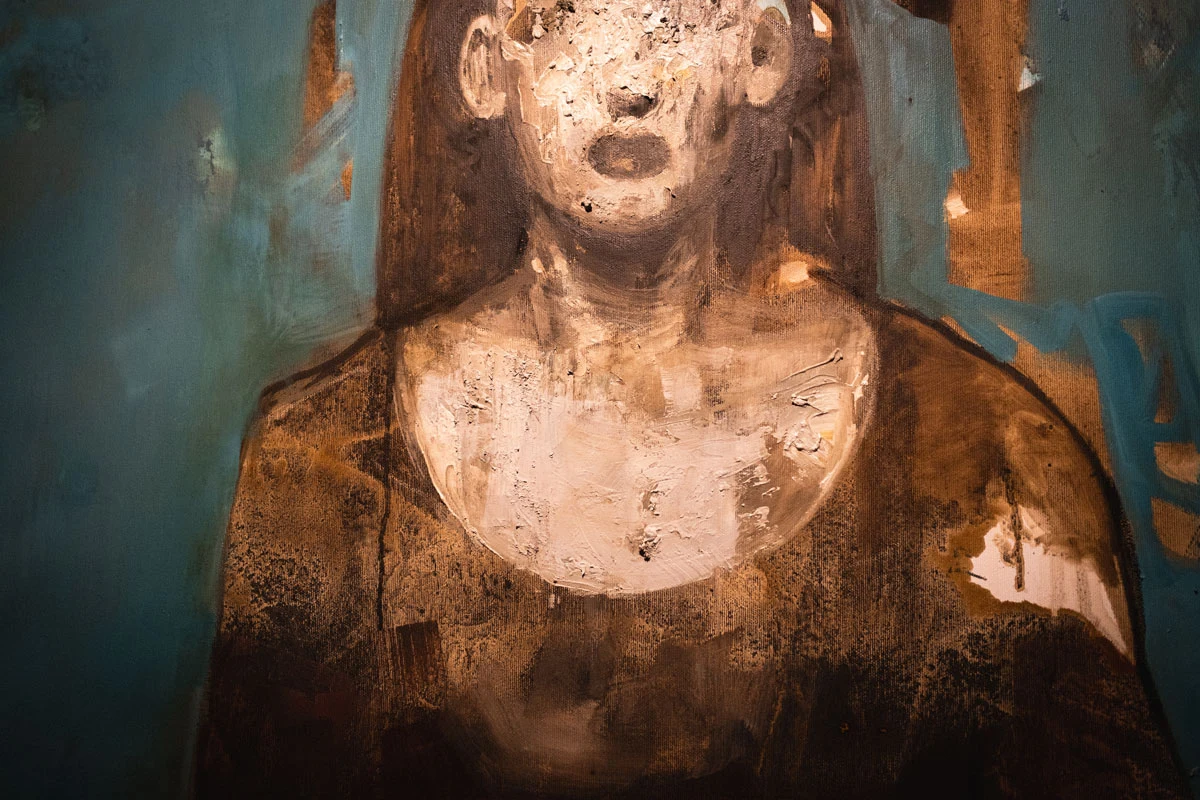
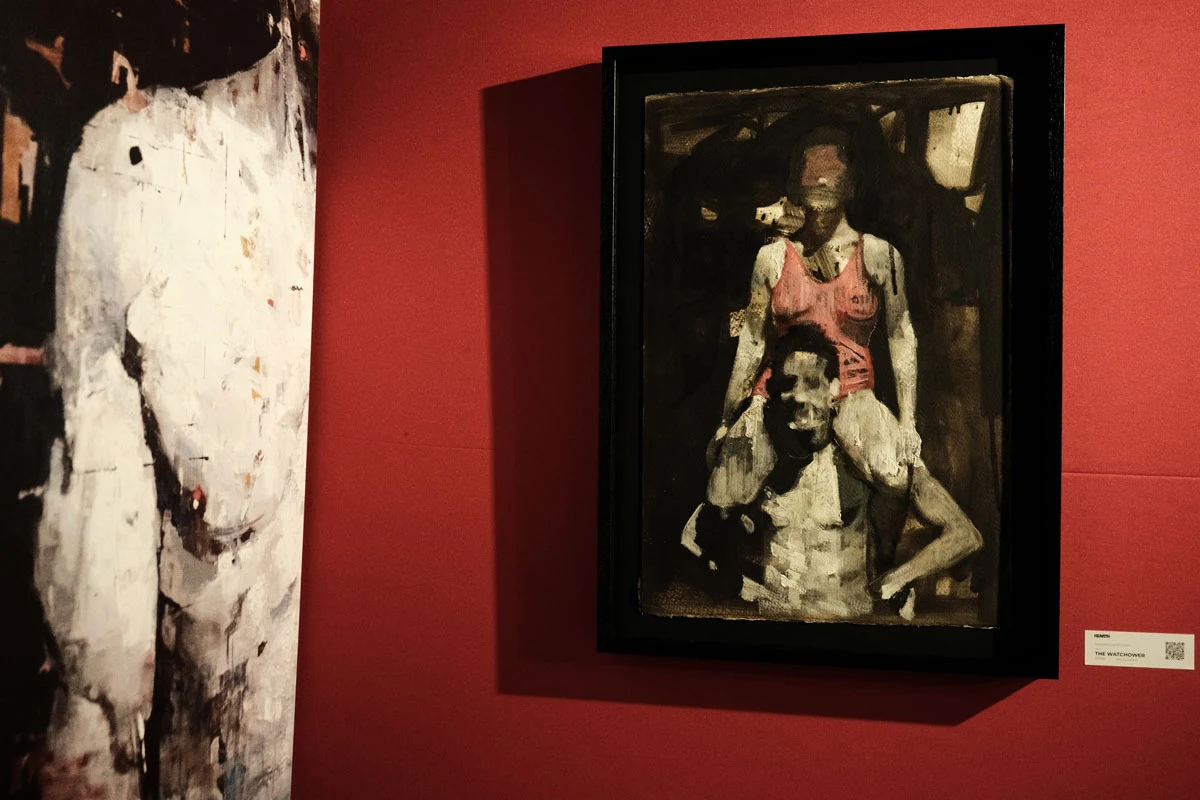
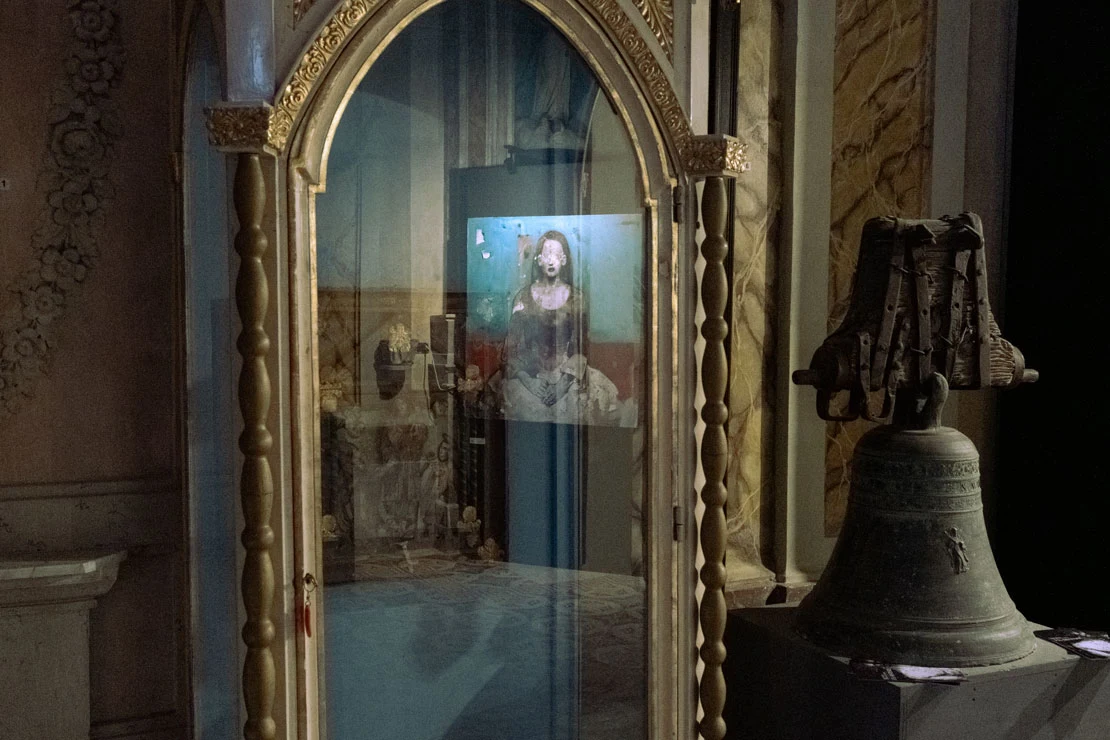
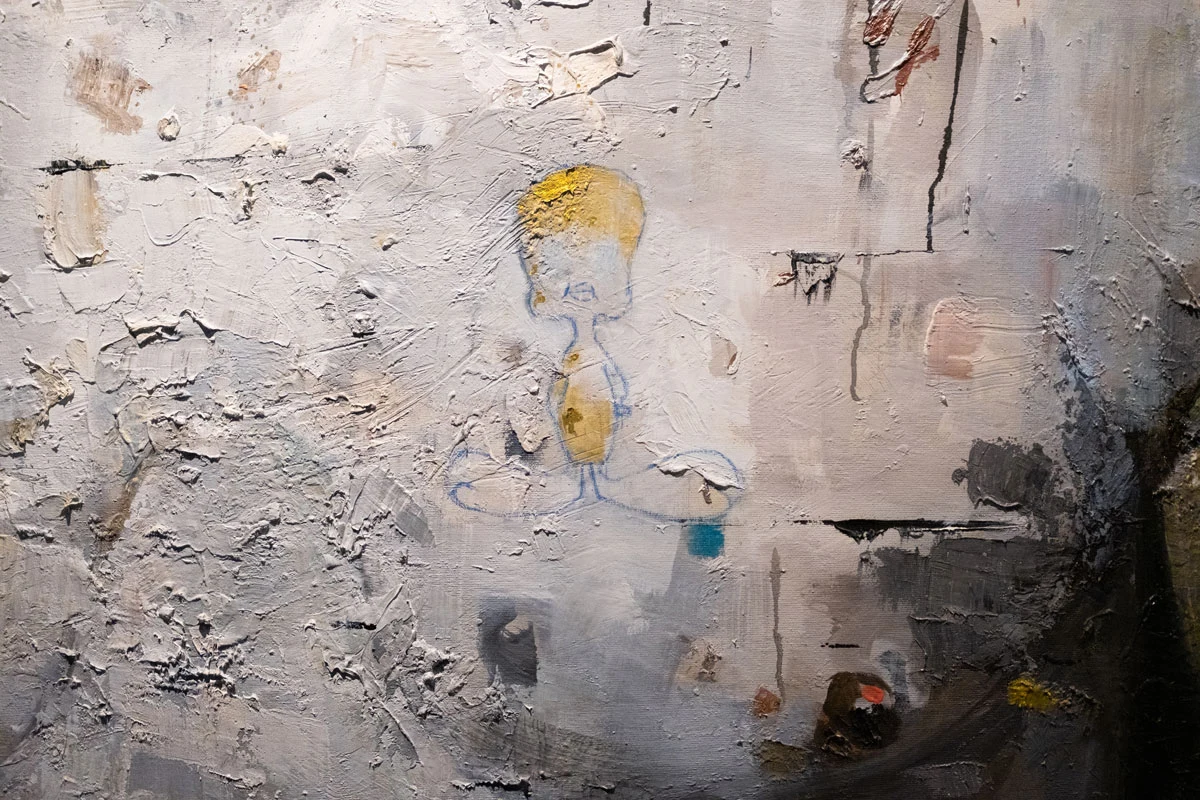
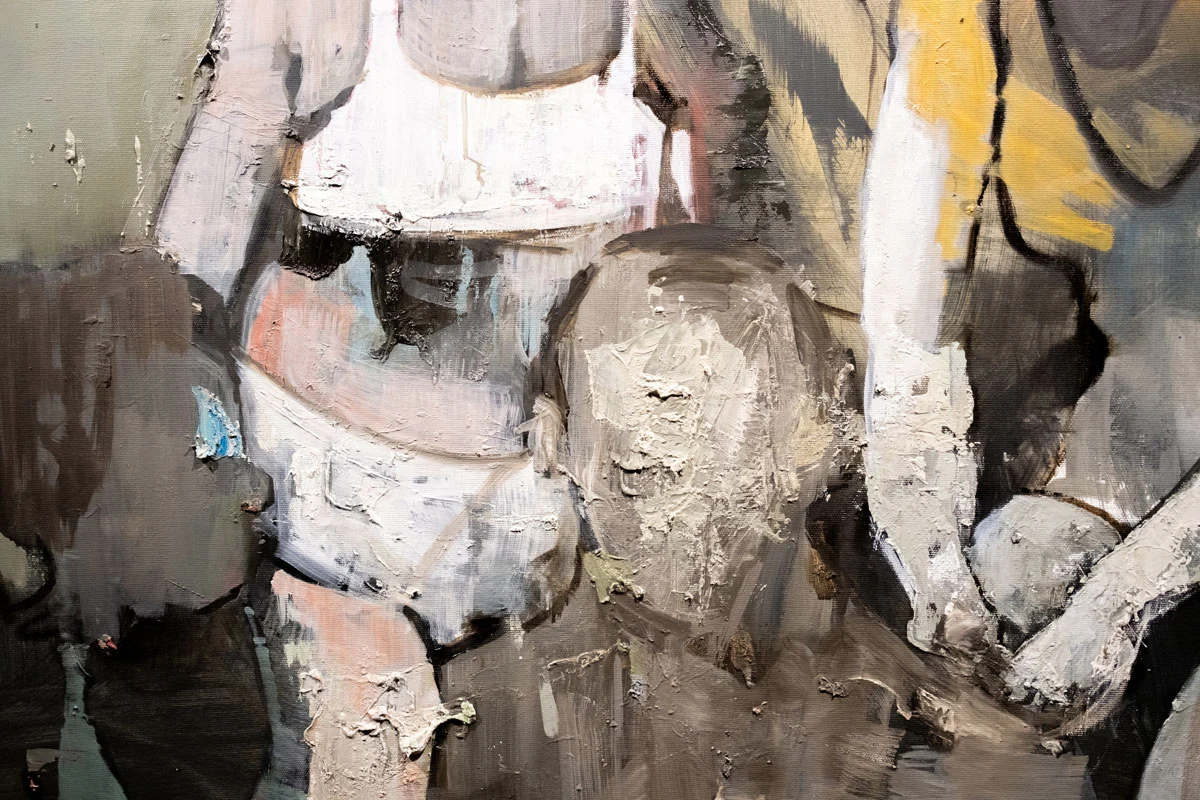
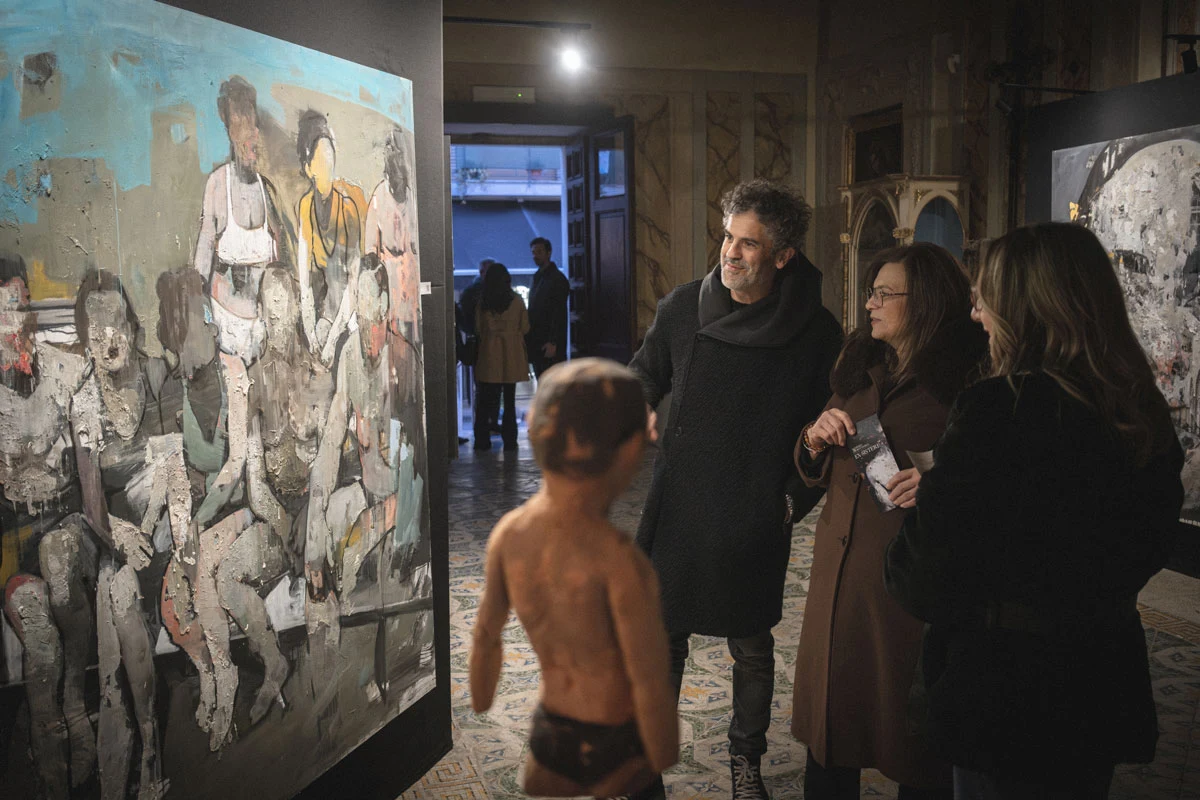
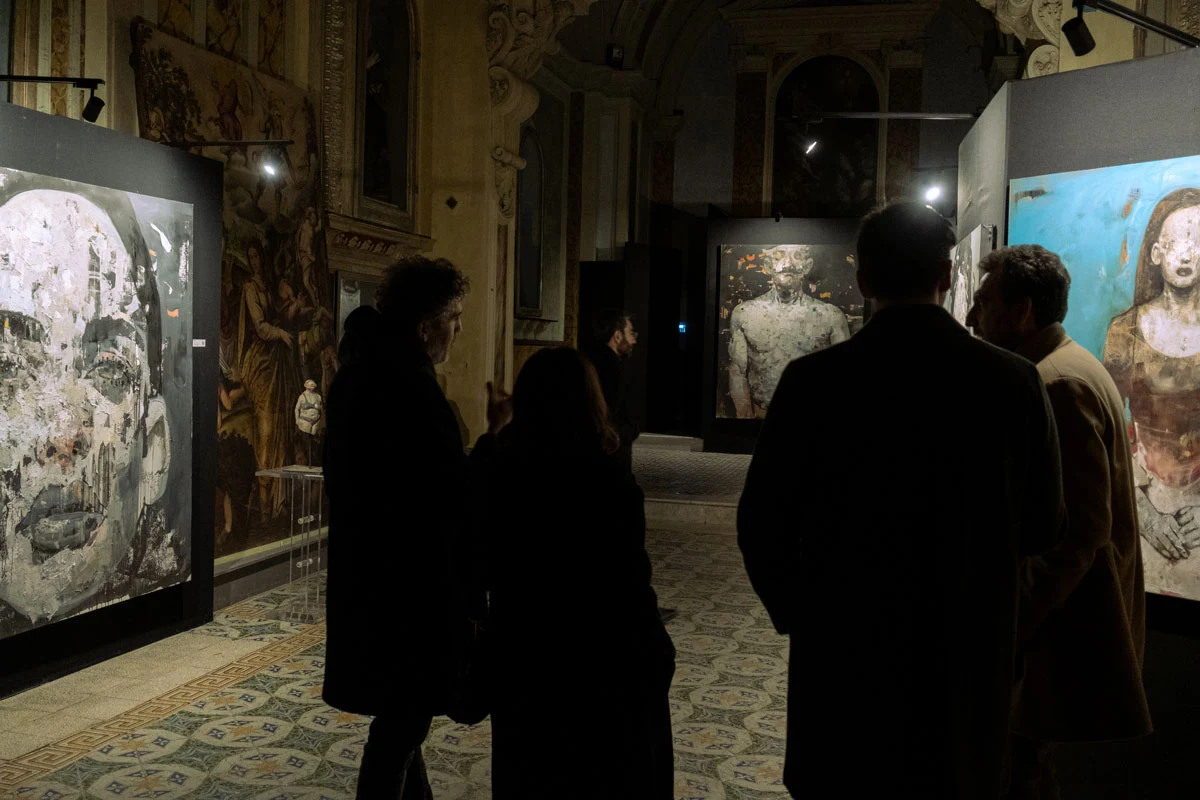
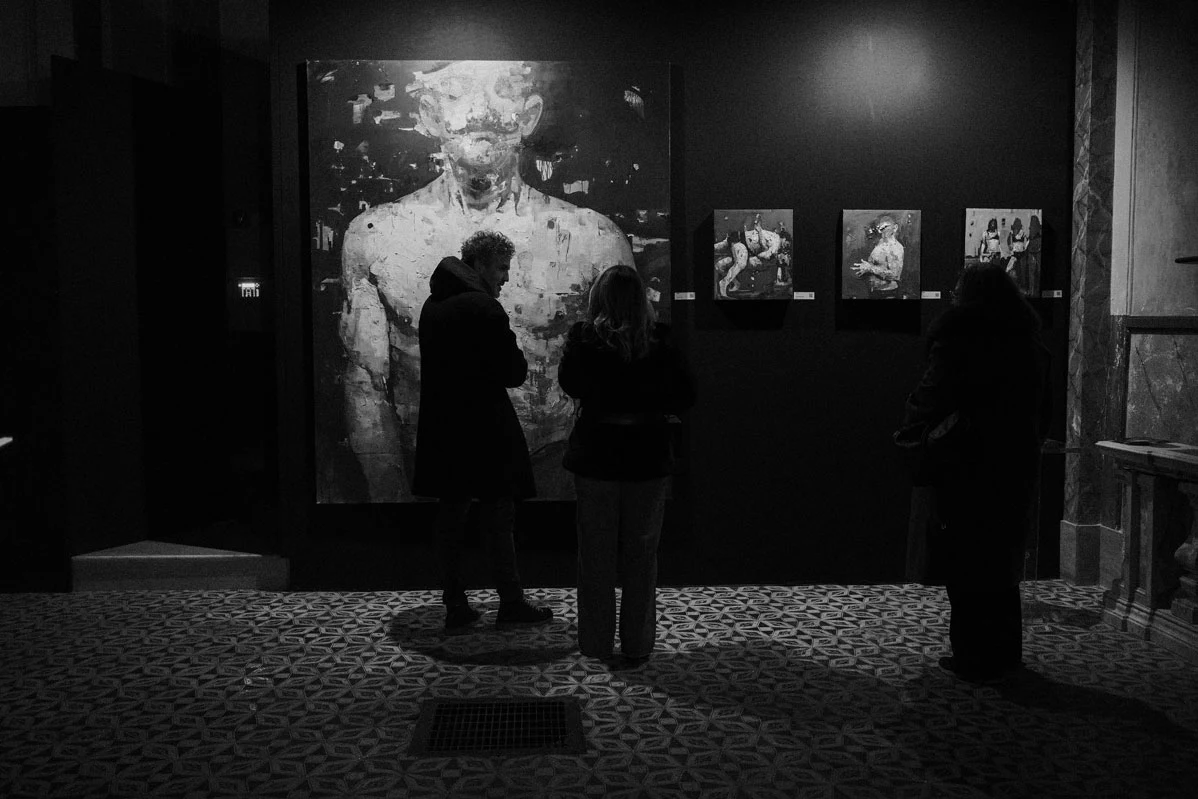
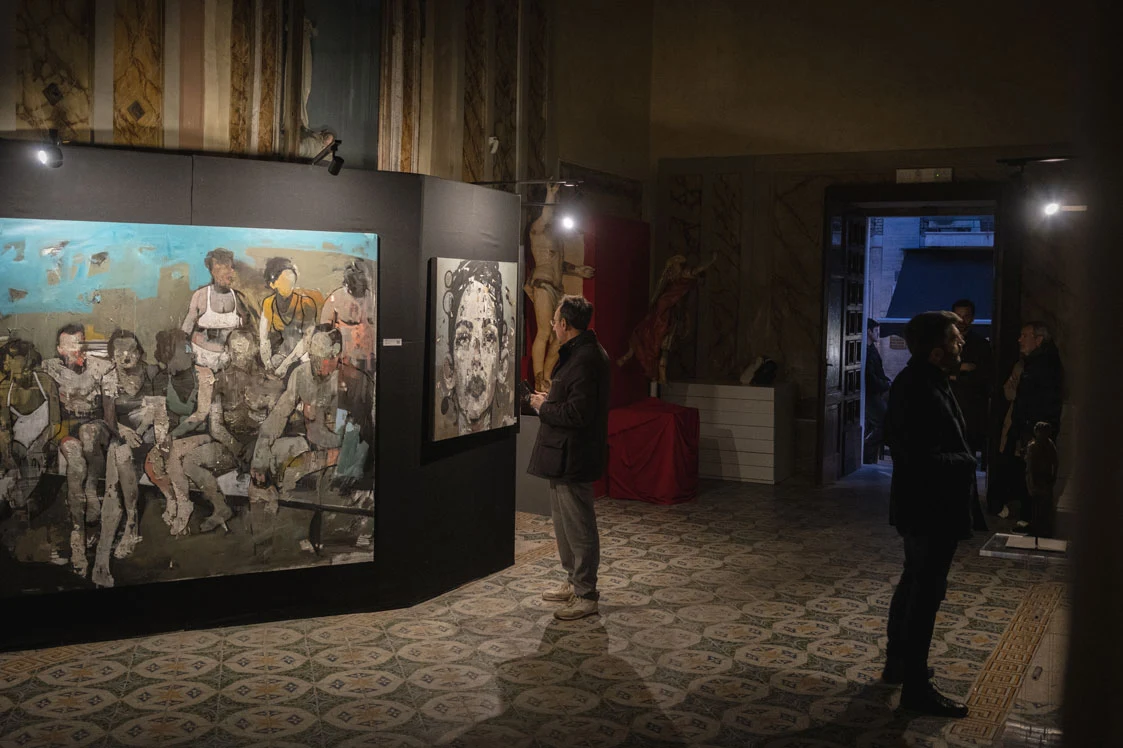
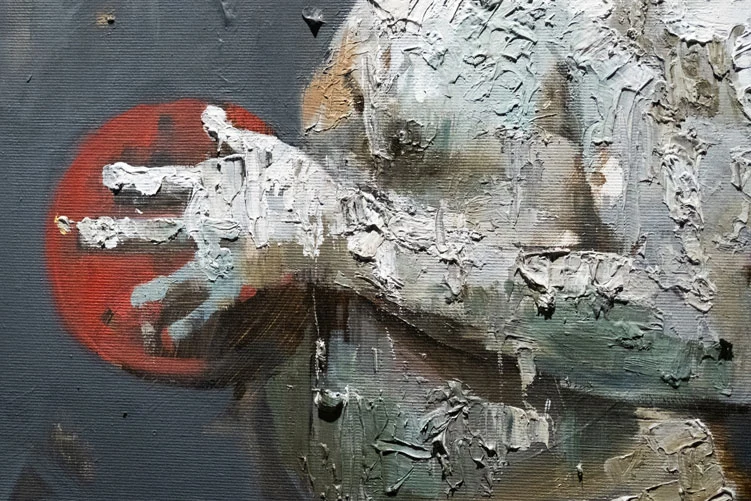
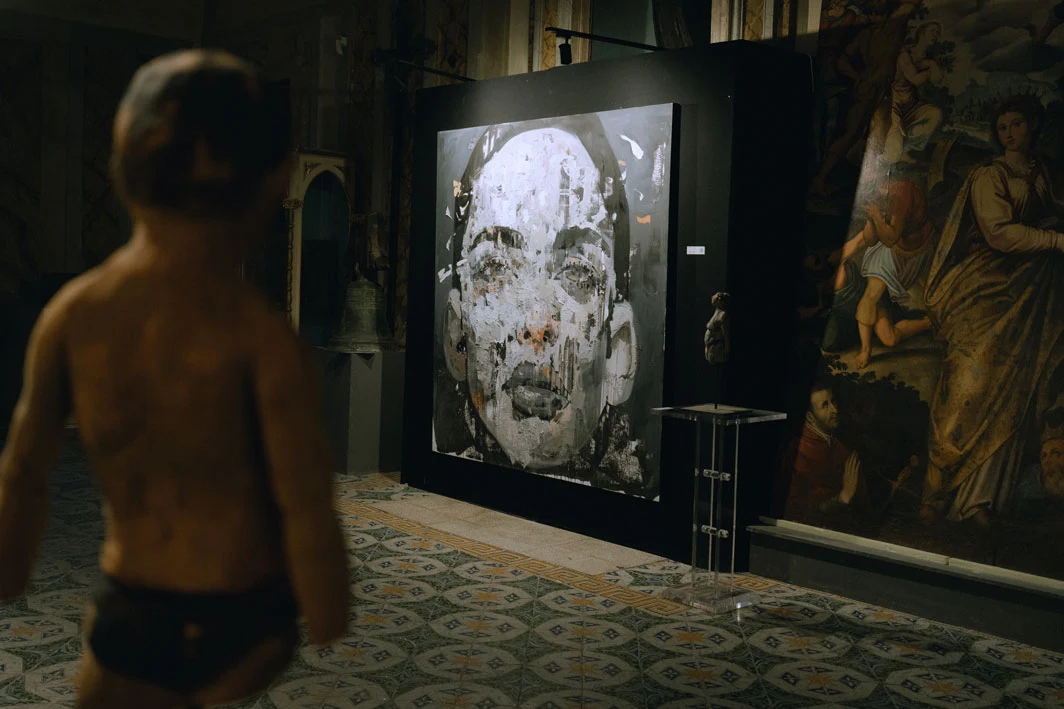
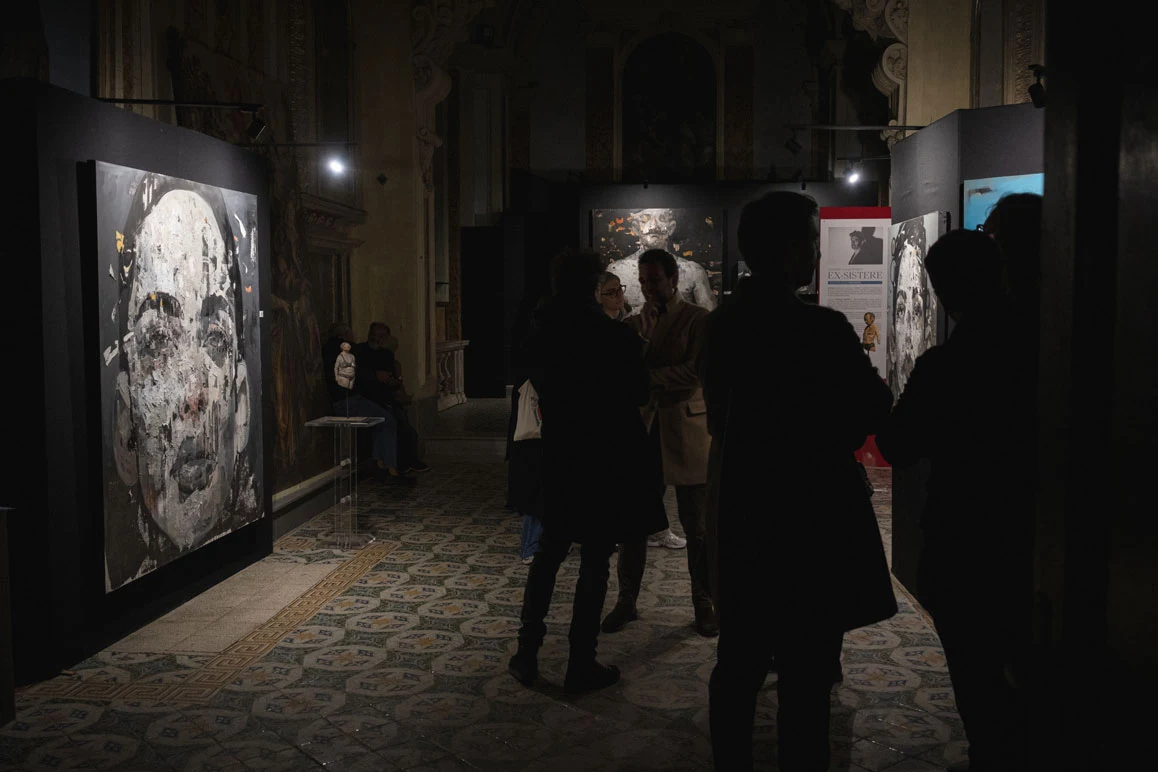
Massimo Lagrotteria’s work occupies precisely this space of transition. His figures are never fixed once and for all, but arise from matter that resists, holds back and imposes its weight. Paint accumulates in slow layers, as though it had to mature before it could become an image. Then comes the opposite gesture: incision, subtraction, the wound that opens a passage. It is through this opening that the figure emerges, not as a representation but as a presence.
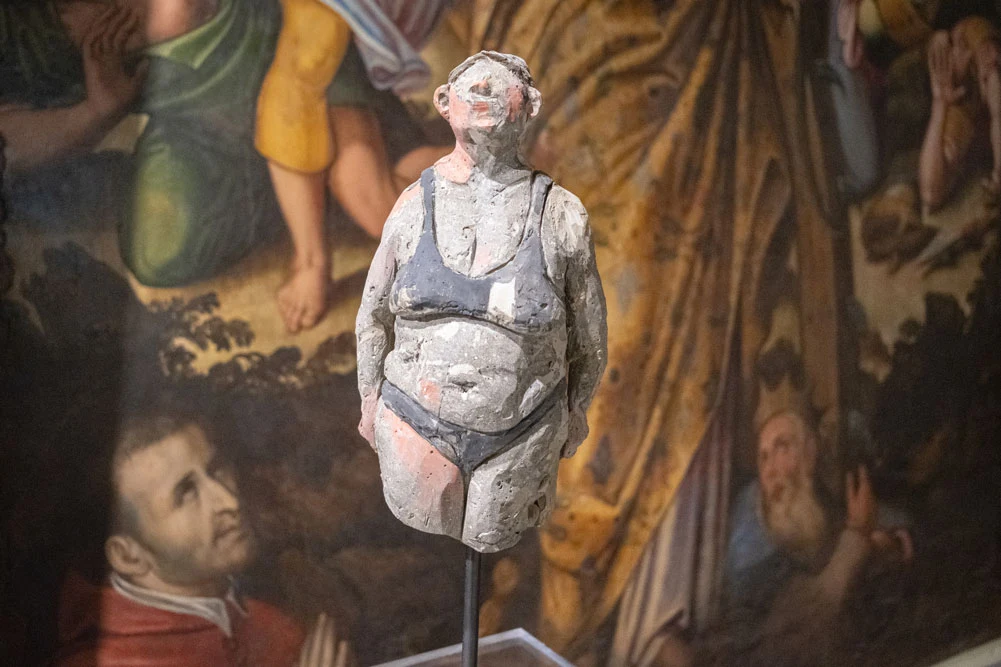
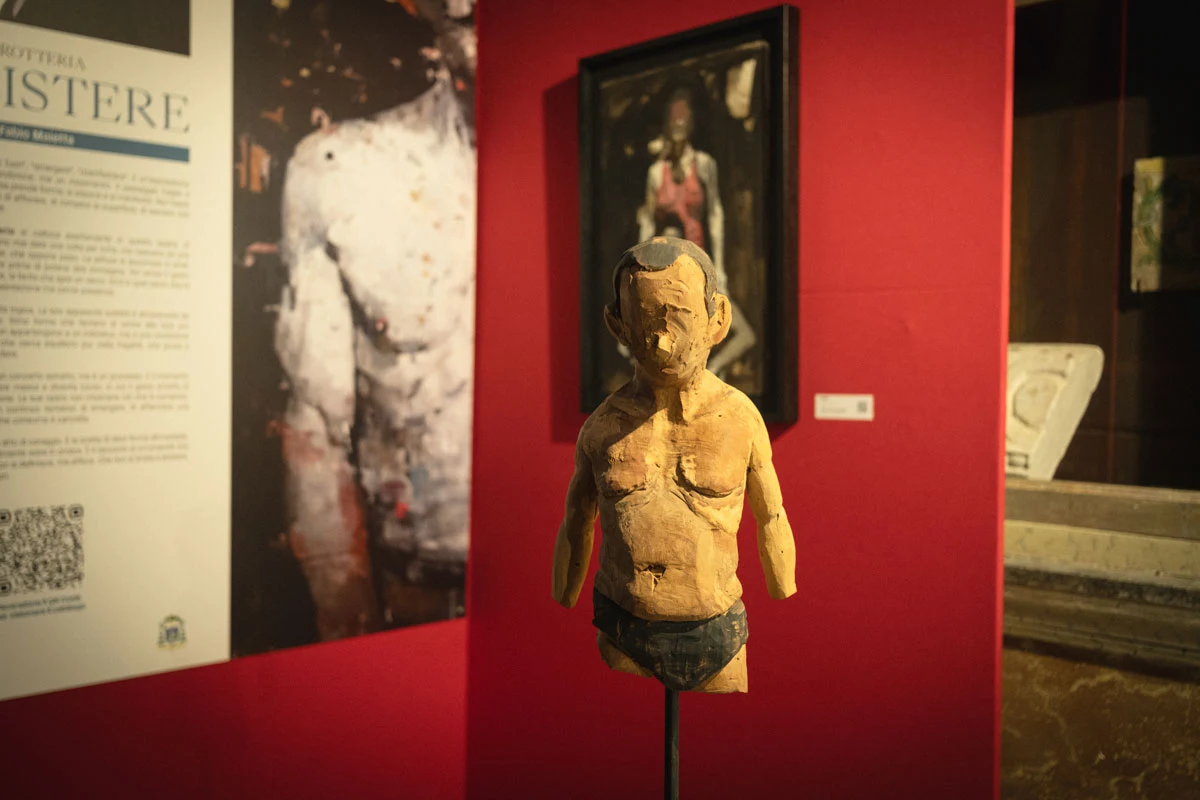
The sculptures follow the same logic. Their apparent solidity is traversed by cracks, cavities and exposed frameworks. These are forms attempting to come to light while knowing they are vulnerable. They belong not to an individual but to a collective condition: that of a humanity seeking balance despite its fragility, trying to ‘stand forth’ even at the risk of giving way.
For Lagrotteria, exsistere is not an abstract concept but a process. It is the moment when matter ceases to be mass and becomes a body, when gesture ceases to be technique and becomes revelation. His works show not what is complete but what is happening: a continuous attempt to emerge, to assert a presence, to resist the time that consumes and erases.
In this sense, ex-sistere is an act of courage. It is the choice to give shape to instability, to make visible what usually remains in shadow. It tells of a humanity that does not impose itself, but persists. That does not define itself, but surfaces. That does not merely exist, but tries, each time, to come forth.